What Are the Three Fs That Describe the Depictions of Figures in Byzantine Art
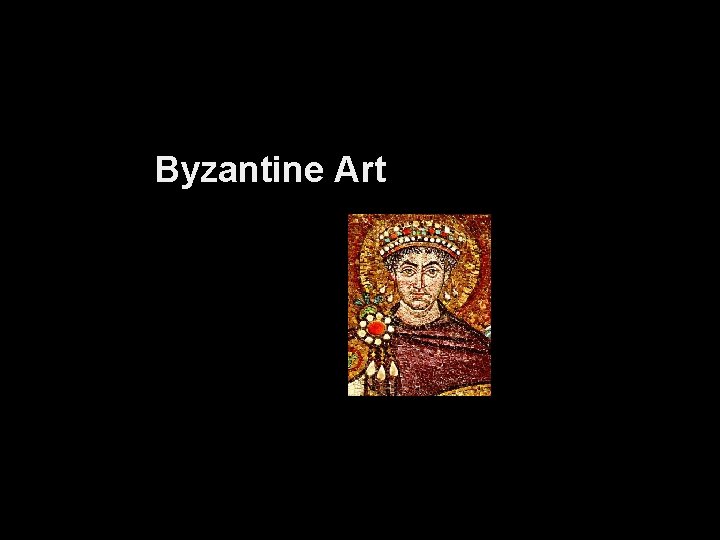
Byzantine Art
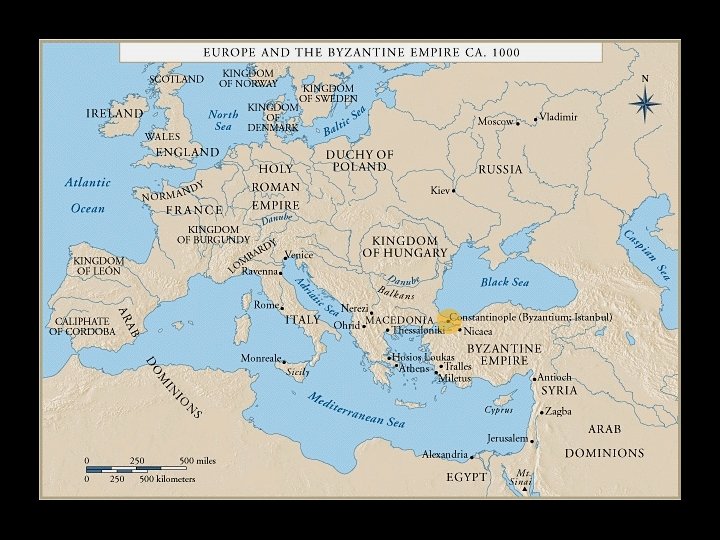
Four F's and a Grand The term byzantine refers to the eastern Christian empire, but the Byzantines called and thought of themselves as Romans. Hieratic means stylized, rigid, and formulaic. When looking at Byzantine art, we will meet a standard formula for portraying the human figure: FORMAL (expressionless and emotionless) FRONTAL (facing front and stiff) Flat (no modeling or depth) FLOATING (no sense of ground or perspective) GOLD In architecture, the major development is the use of pendentives and squinches to support domes. These innovations allow for lofty domed ceilings (like the Pantheon), without a solid cylindrical base. Byzantine compages besides features the heavy employ of mosaics and gold. Near Byzantine structures have rich, multilayered surfaces, lending an almost gaudy aesthetic to the interiors. The Emperor Justinian and his married woman Theodora are the most important historical figures in this segment. Pay close attention to their portraits.
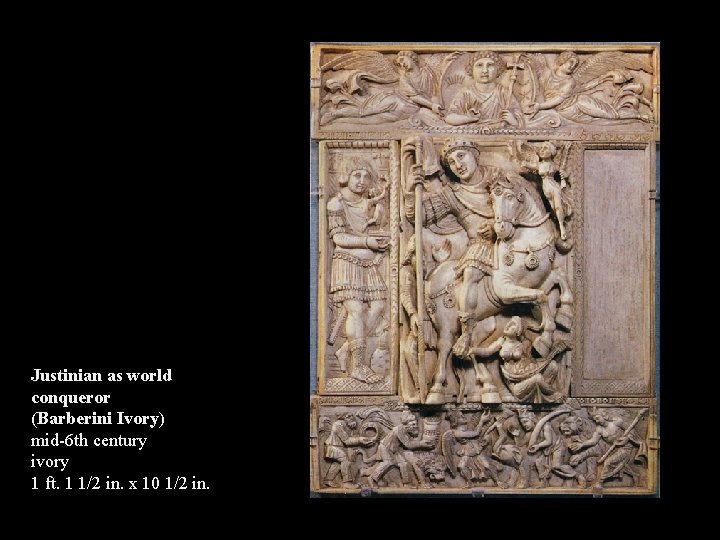
Justinian as world conqueror (Barberini Ivory) mid-6 thursday century ivory 1 ft. 1 1/two in. 10 10 1/2 in.
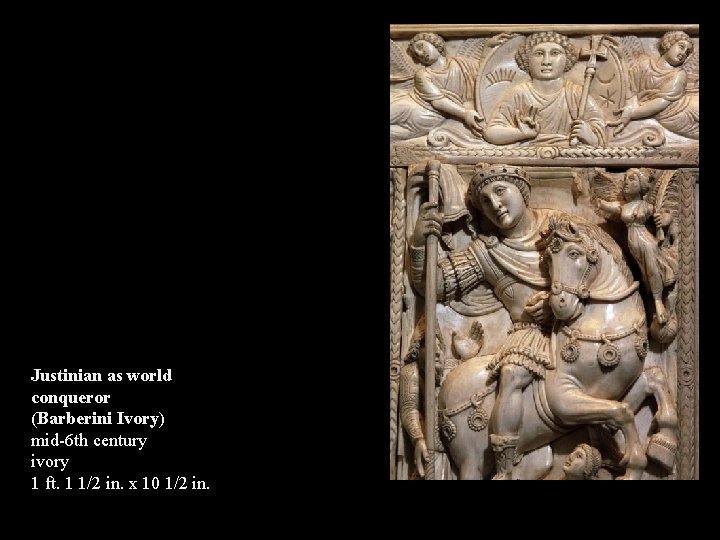
Justinian as world conqueror (Barberini Ivory) mid-6 th century ivory 1 ft. 1 ane/2 in. x x ane/two in.
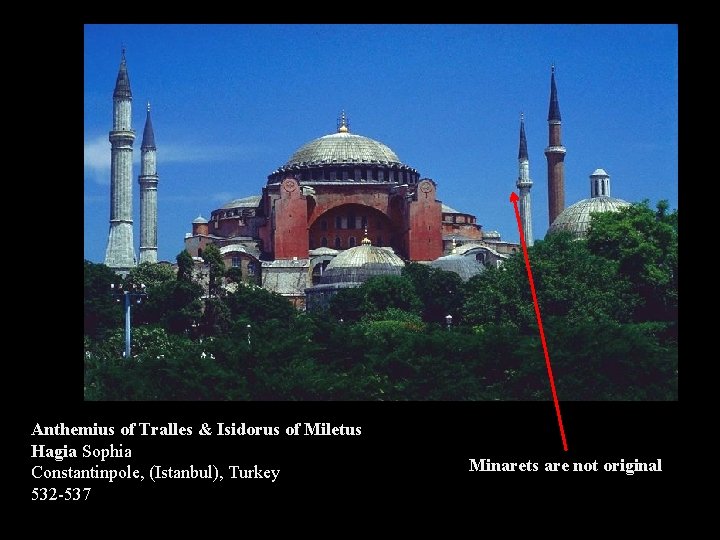
Anthemius of Tralles & Isidorus of Miletus Hagia Sophia Constantinpole, (Istanbul), Turkey 532 -537 Minarets are non original
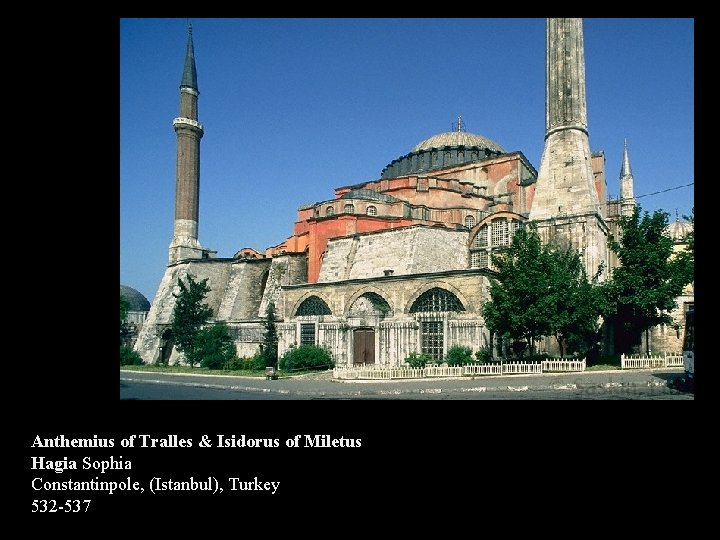
Anthemius of Tralles & Isidorus of Miletus Hagia Sophia Constantinpole, (Istanbul), Turkey 532 -537
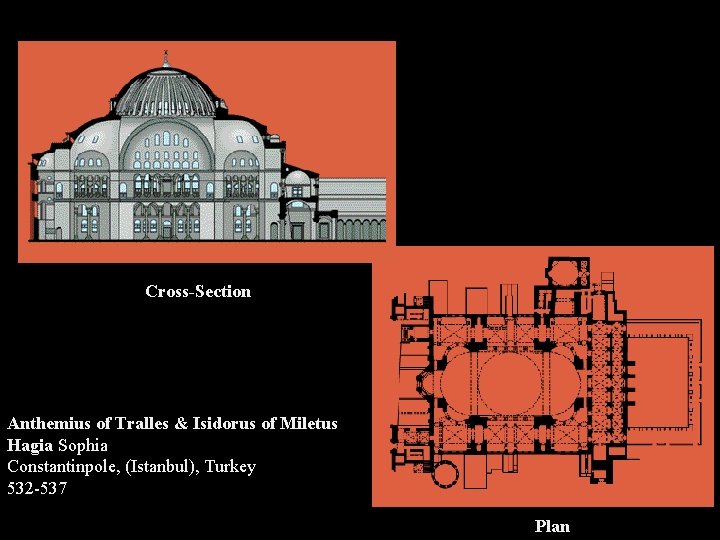
Cross-Section Anthemius of Tralles & Isidorus of Miletus Hagia Sophia Constantinpole, (Istanbul), Turkey 532 -537 Plan
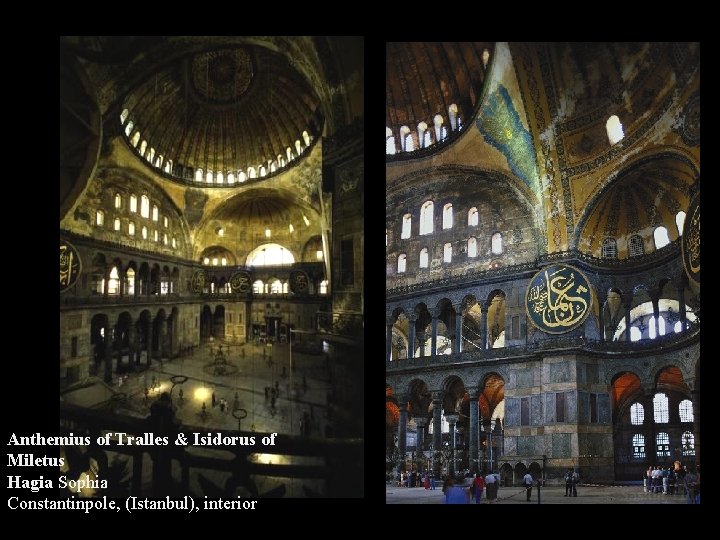
Anthemius of Tralles & Isidorus of Miletus Hagia Sophia Constantinpole, (Istanbul), interior
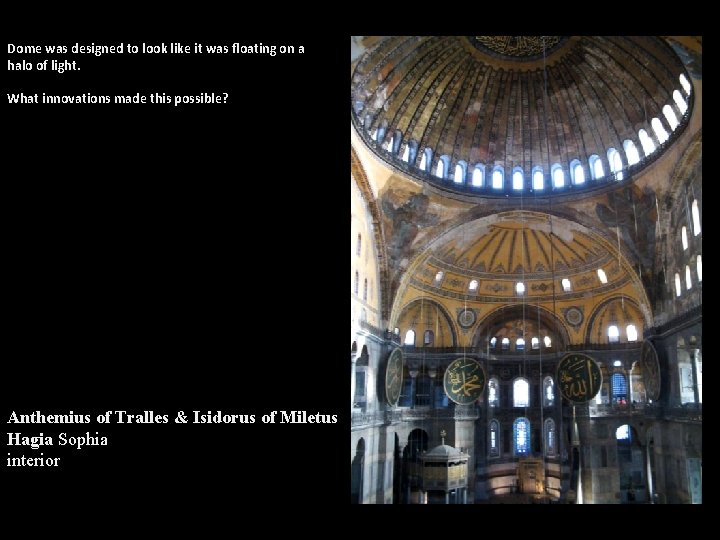
Dome was designed to look like it was floating on a halo of light. What innovations made this possible? Anthemius of Tralles & Isidorus of Miletus Hagia Sophia interior
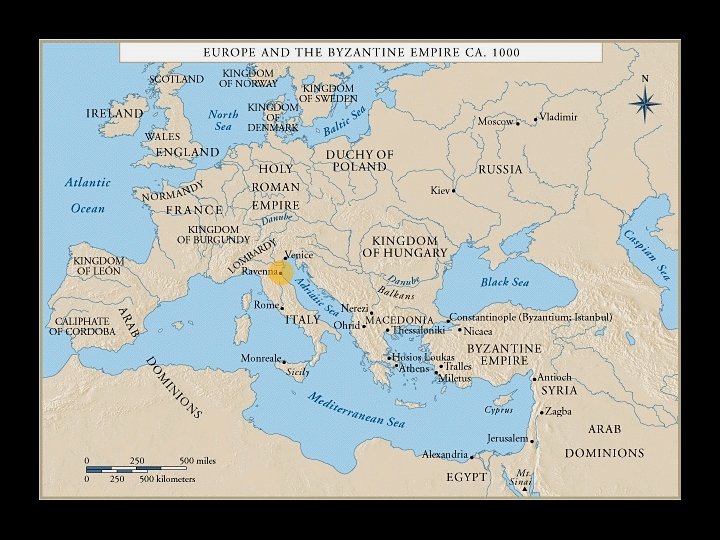
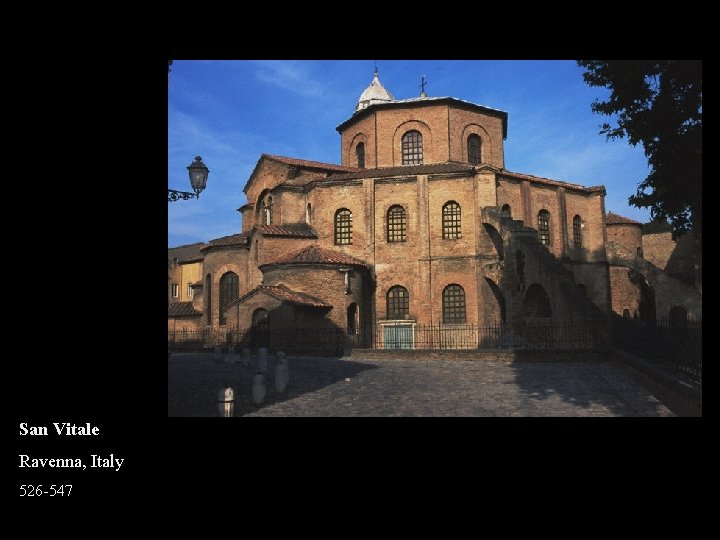
San Vitale Ravenna, Italy 526 -547
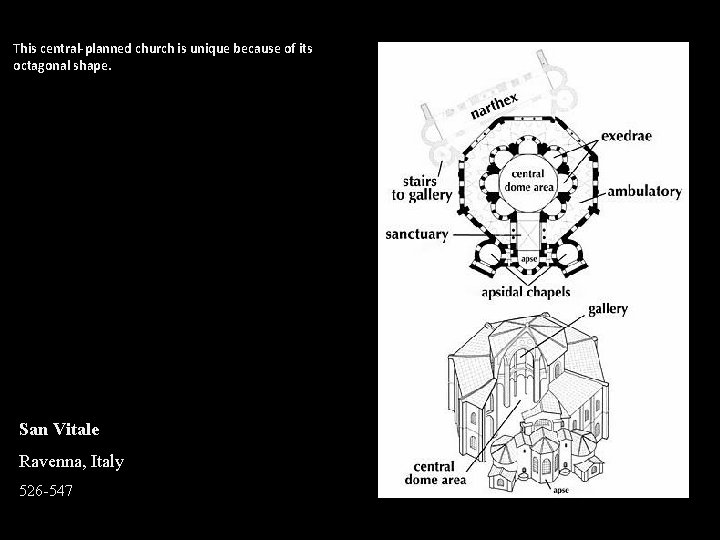
This central-planned church is unique because of its octagonal shape. San Vitale Ravenna, Italy 526 -547
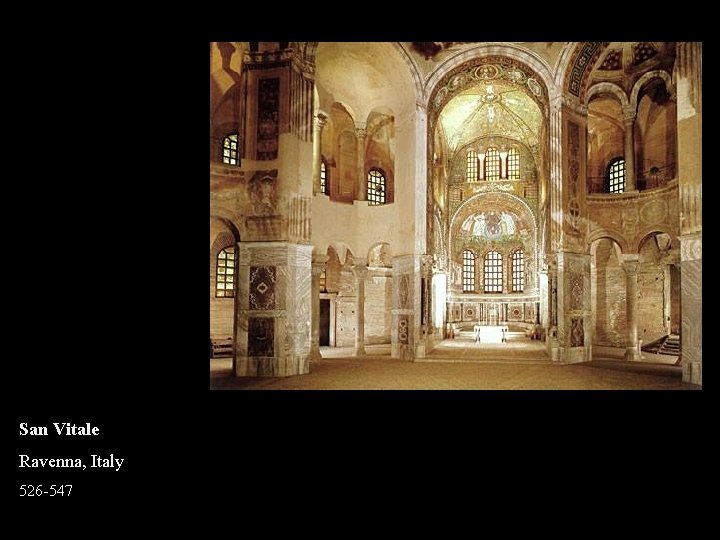
San Vitale Ravenna, Italian republic 526 -547
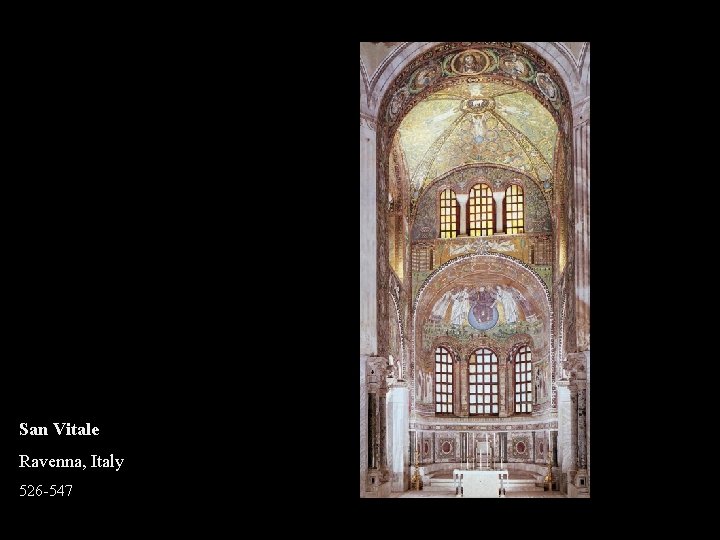
San Vitale Ravenna, Italia 526 -547
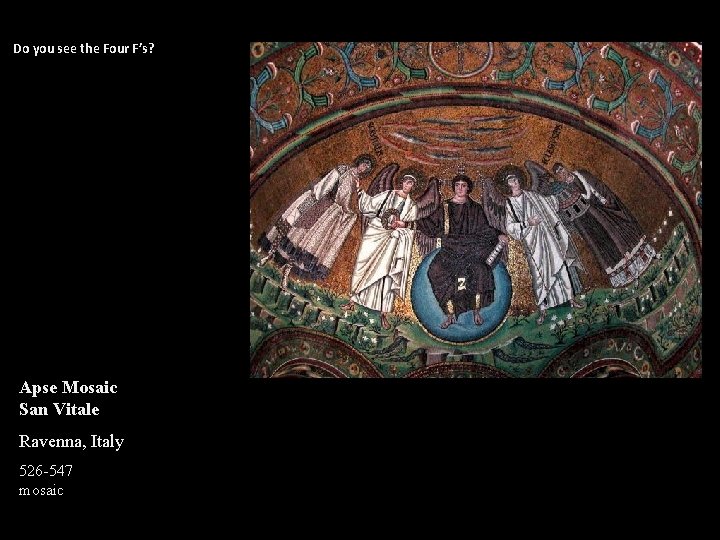
Do you meet the Four F'south? Apse Mosaic San Vitale Ravenna, Italia 526 -547 mosaic
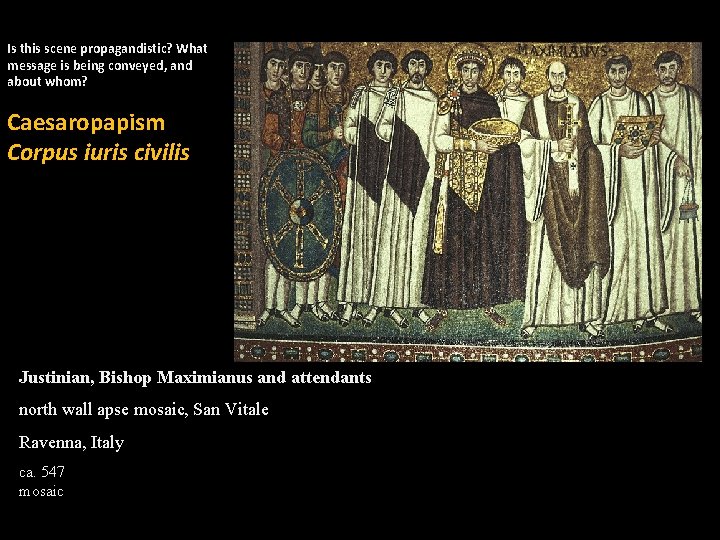
Is this scene propagandistic? What bulletin is being conveyed, and well-nigh whom? Caesaropapism Corpus iuris civilis Justinian, Bishop Maximianus and attendants n wall apse mosaic, San Vitale Ravenna, Italy ca. 547 mosaic
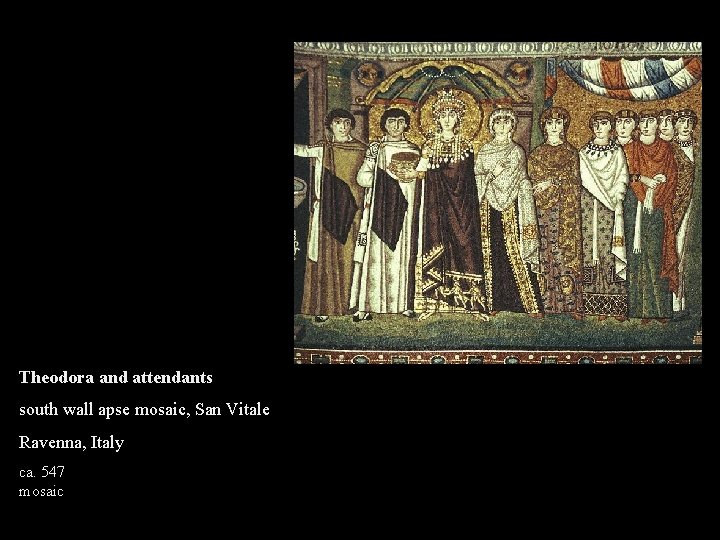
Theodora and attendants south wall apse mosaic, San Vitale Ravenna, Italy ca. 547 mosaic
Artists inside a civilization often use depictions of ancestors, siblings, couples, or other types of family unit groupings to communicate larger social, political, mythical, and historical concerns. Select and fully identify two works, in whatever medium, that represent family groupings or relationships. The works should come up from ii different cultures. At least 1 of the ii examples must be from beyond the European tradition. Discuss the specific cultural concerns the piece of work communicates and analyze the visual means used to communicate those concerns.
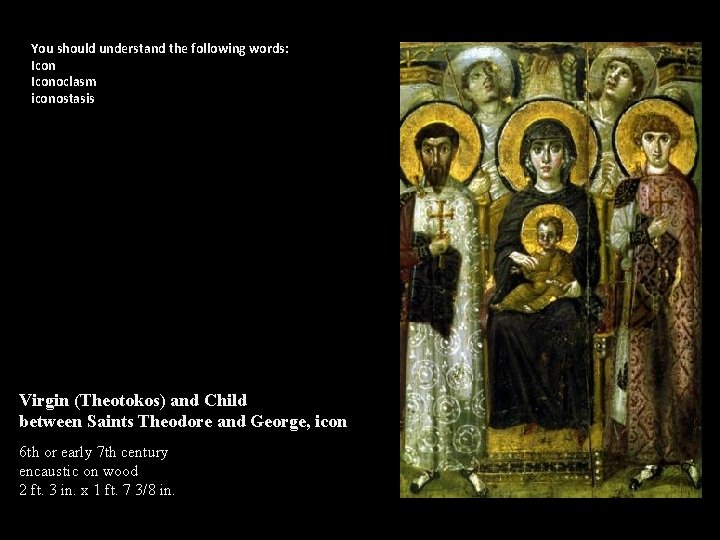
You should understand the following words: Iconoclasm iconostasis Virgin (Theotokos) and Kid between Saints Theodore and George, icon six th or early vii th century encaustic on wood 2 ft. three in. x ane ft. 7 iii/8 in.
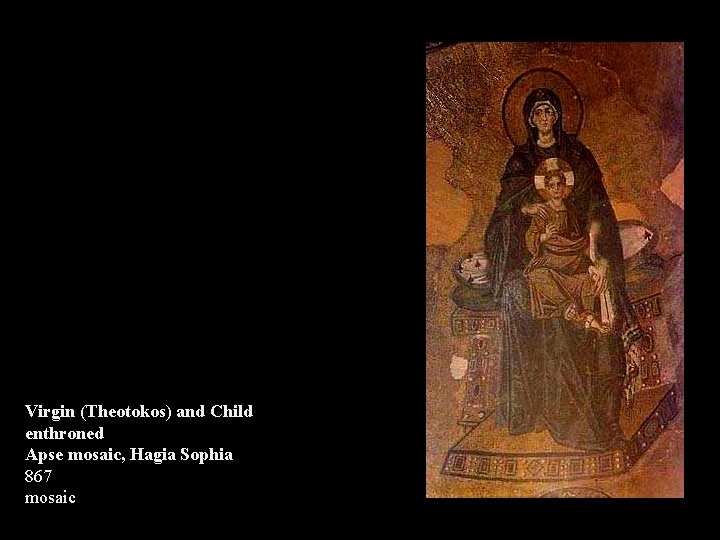
Virgin (Theotokos) and Child enthroned Apse mosaic, Hagia Sophia 867 mosaic
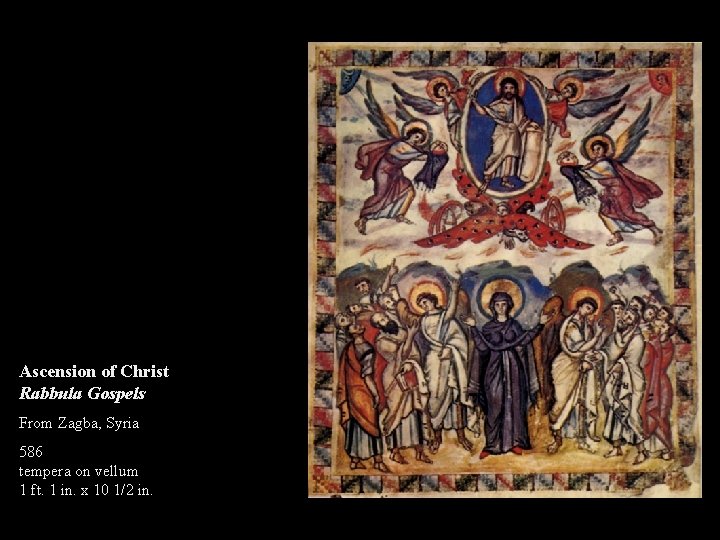
Ascension of Christ Rabbula Gospels From Zagba, Syria 586 tempera on vellum ane ft. 1 in. 10 10 ane/two in.
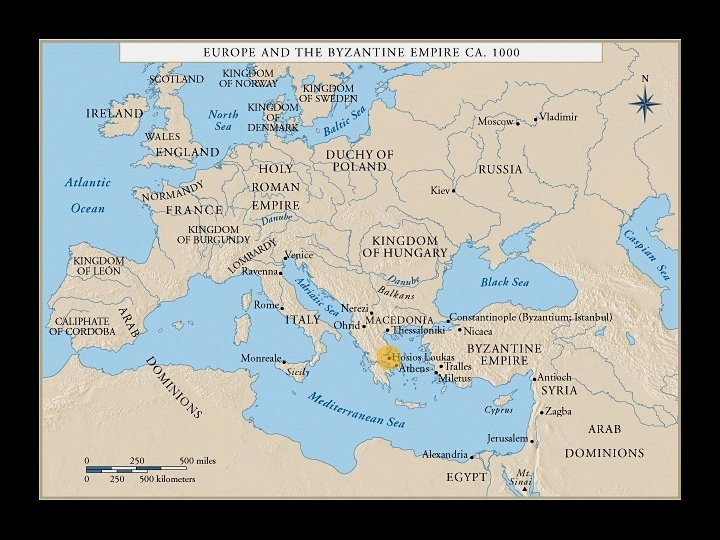
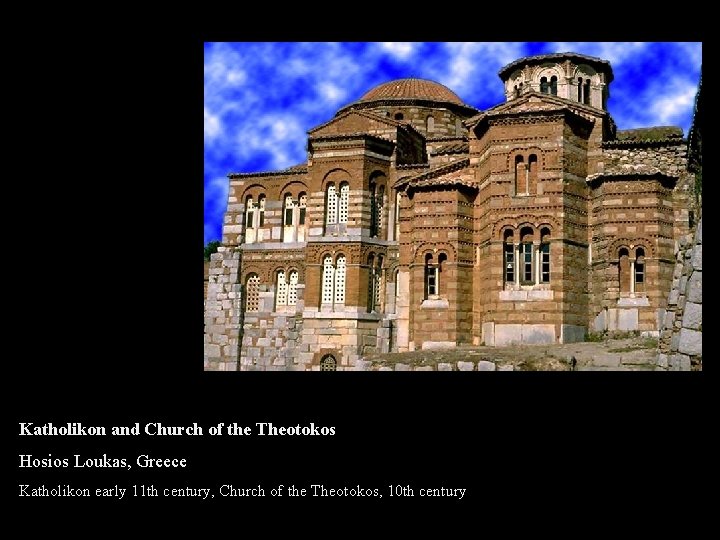
Katholikon and Church building of the Theotokos Hosios Loukas, Greece Katholikon early on 11 thursday century, Church of the Theotokos, 10 th century
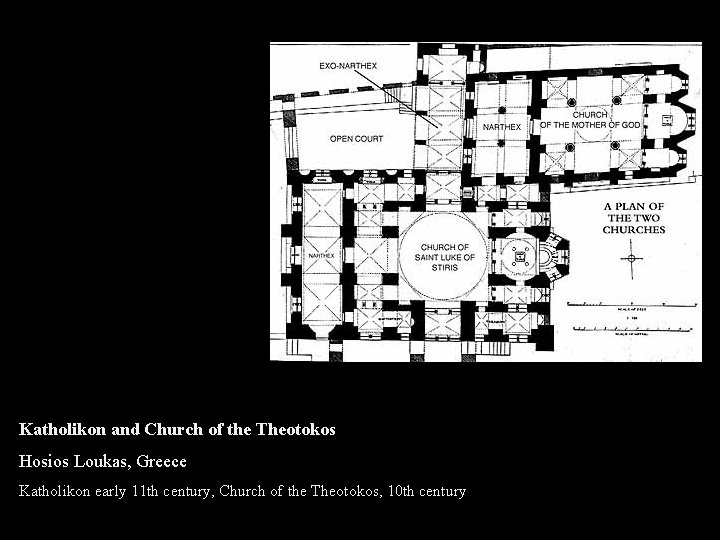
Katholikon and Church building of the Theotokos Hosios Loukas, Greece Katholikon early 11 th century, Church building of the Theotokos, 10 th century
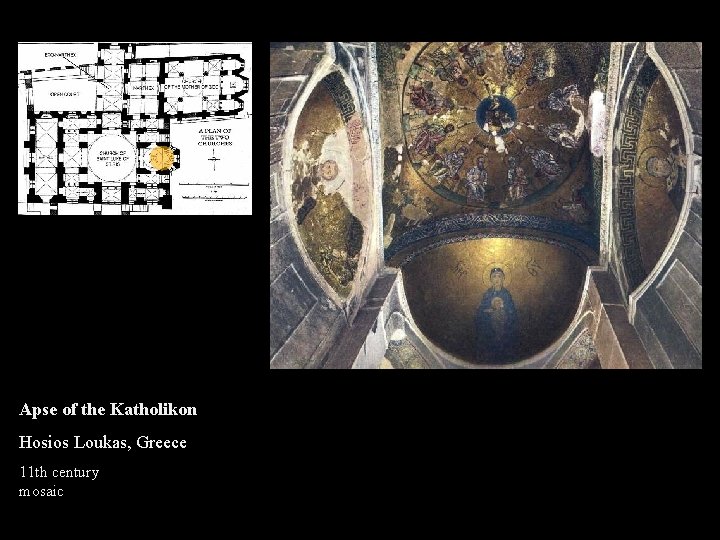
Alcove of the Katholikon Hosios Loukas, Hellenic republic 11 th century mosaic
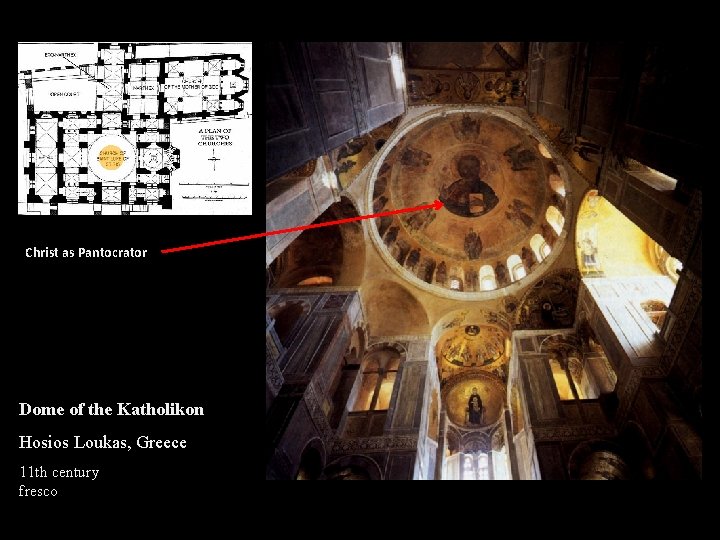
Christ every bit Pantocrator Dome of the Katholikon Hosios Loukas, Greece xi th century fresco
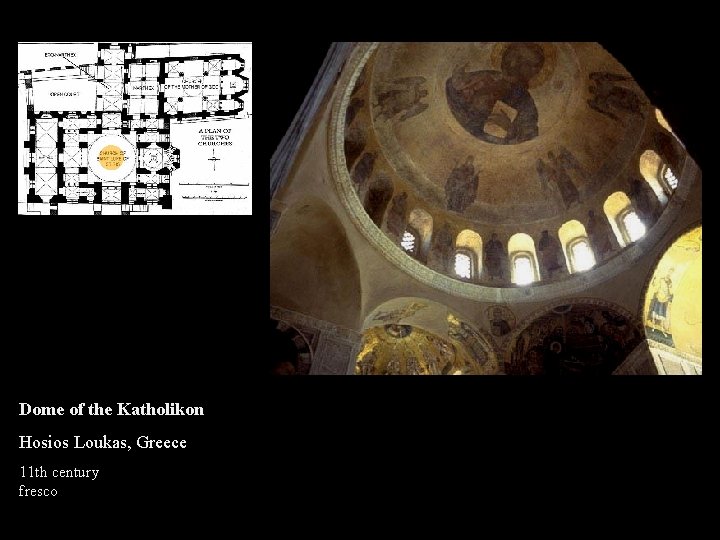
Dome of the Katholikon Hosios Loukas, Hellenic republic 11 th century fresco
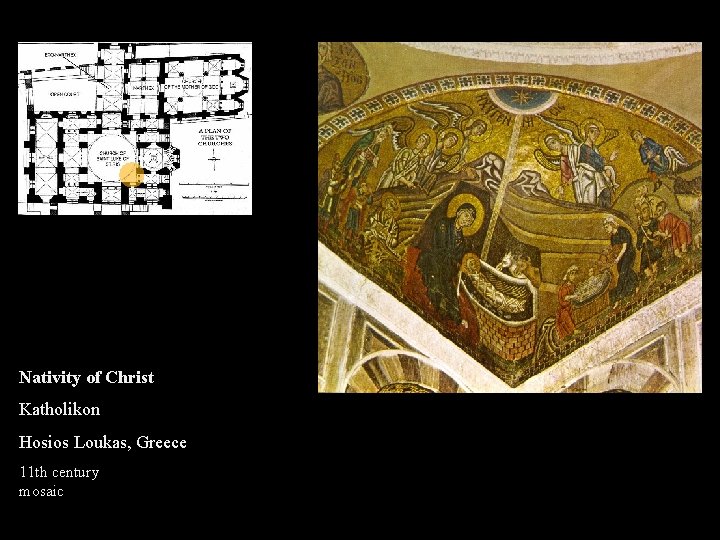
Birth of Christ Katholikon Hosios Loukas, Greece 11 thursday century mosaic
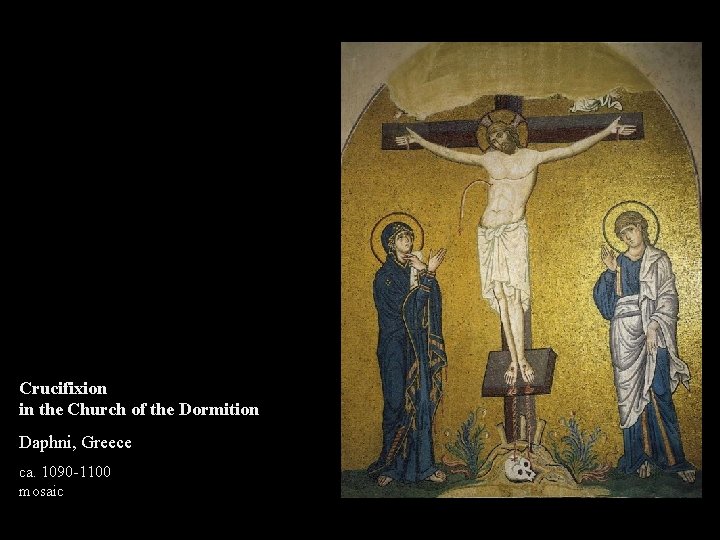
Crucifixion in the Church of the Dormition Daphni, Greece ca. 1090 -1100 mosaic
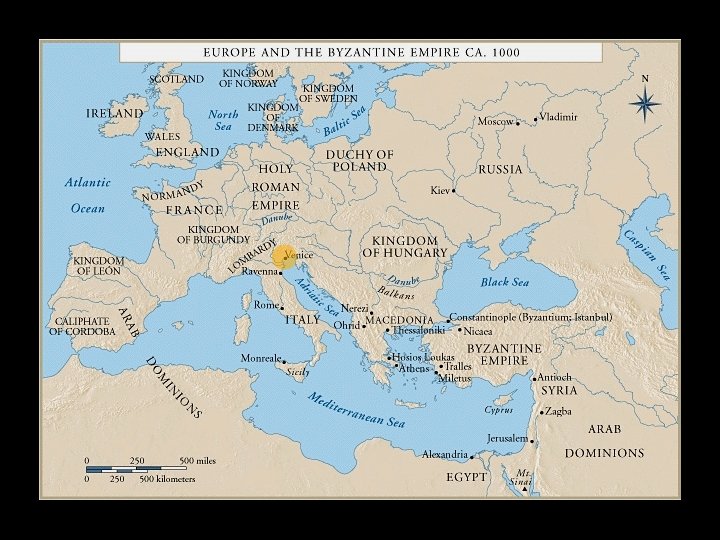
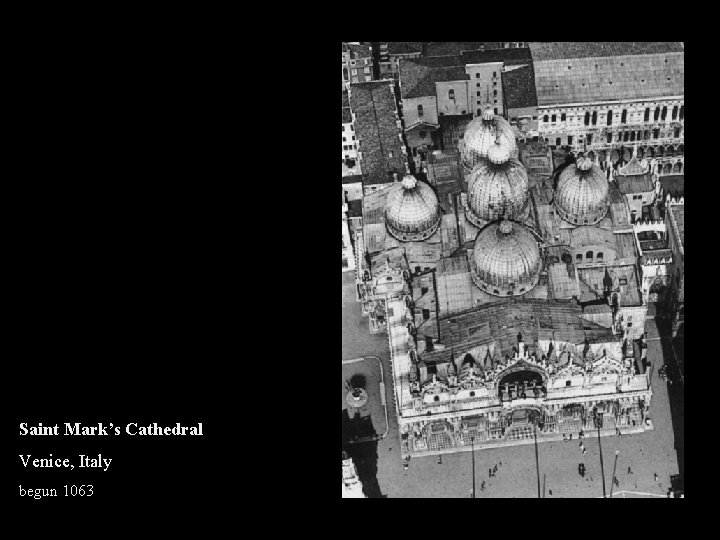
Saint Marking's Cathedral Venice, Italia begun 1063
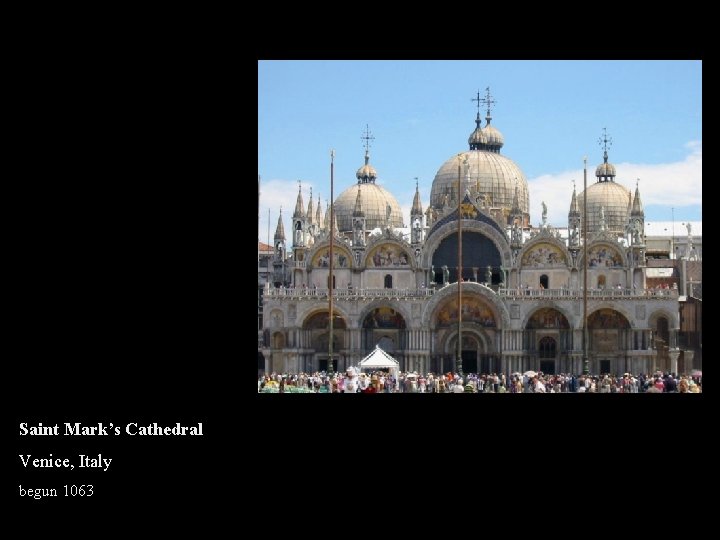
Saint Marking's Cathedral Venice, Italia begun 1063
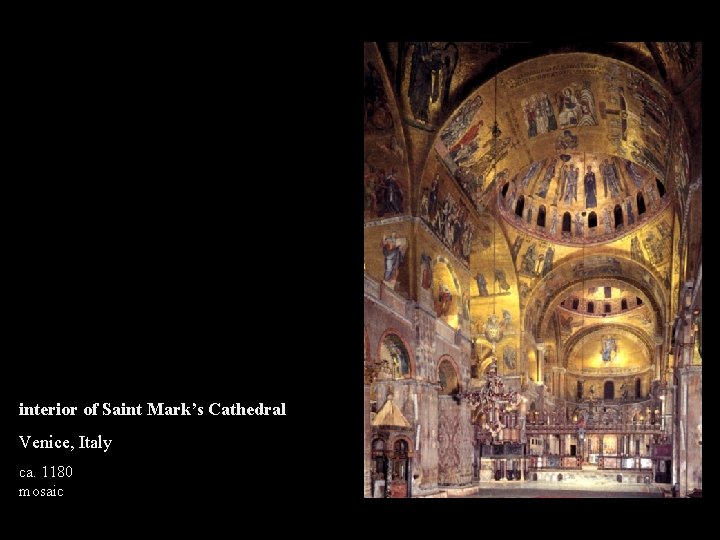
interior of Saint Mark'south Cathedral Venice, Italian republic ca. 1180 mosaic
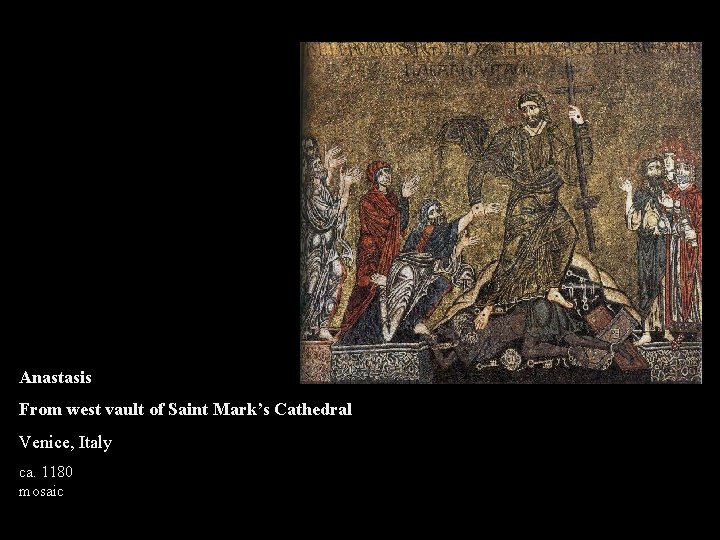
Anastasis From westward vault of Saint Marker's Cathedral Venice, Italy ca. 1180 mosaic
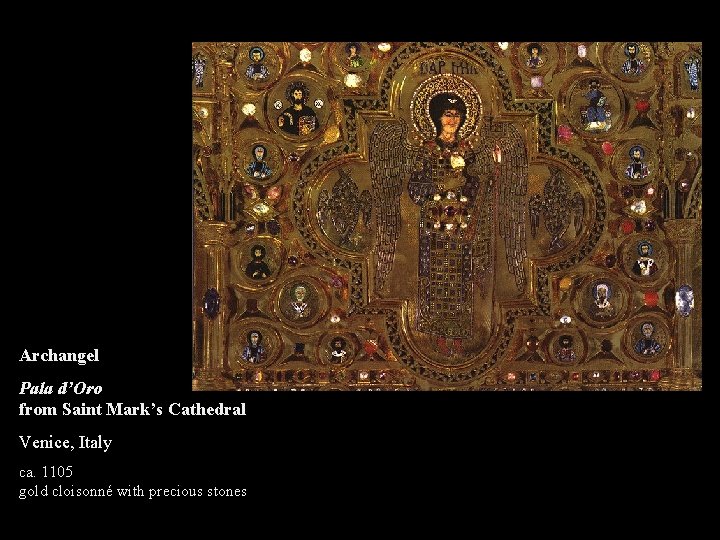
Archangel Pala d'Oro from Saint Mark's Cathedral Venice, Italy ca. 1105 gold cloisonné with precious stones
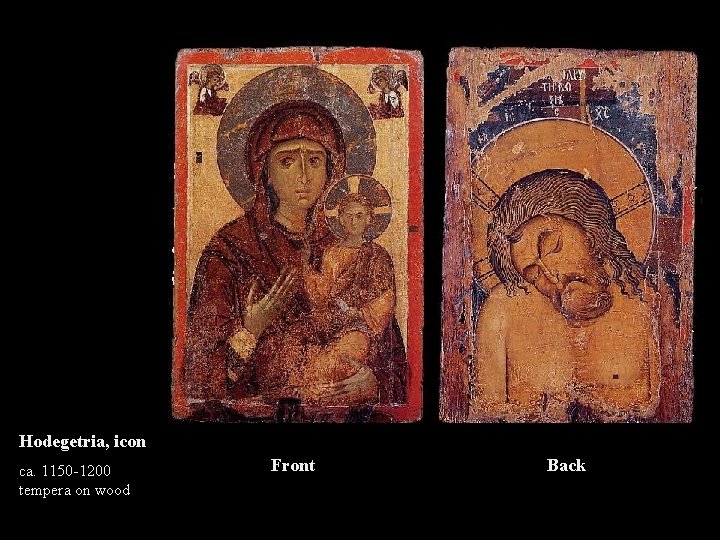
Hodegetria, icon ca. 1150 -1200 tempera on forest Front end Back
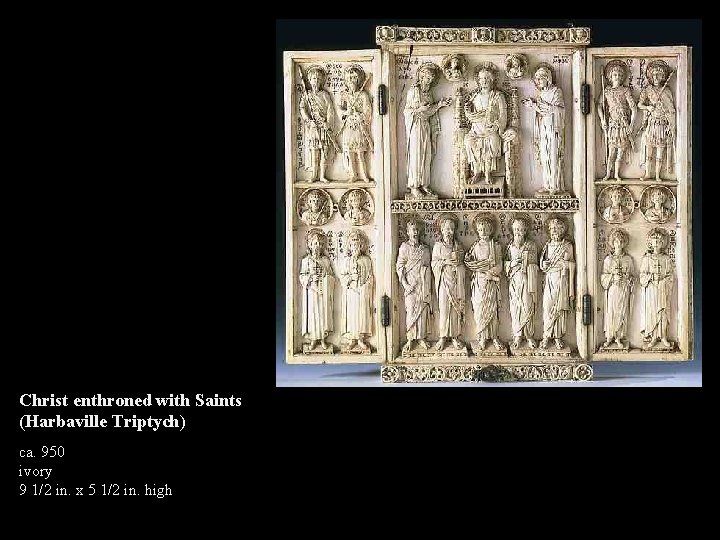
Christ enthroned with Saints (Harbaville Triptych) ca. 950 ivory ix 1/2 in. x 5 1/2 in. high
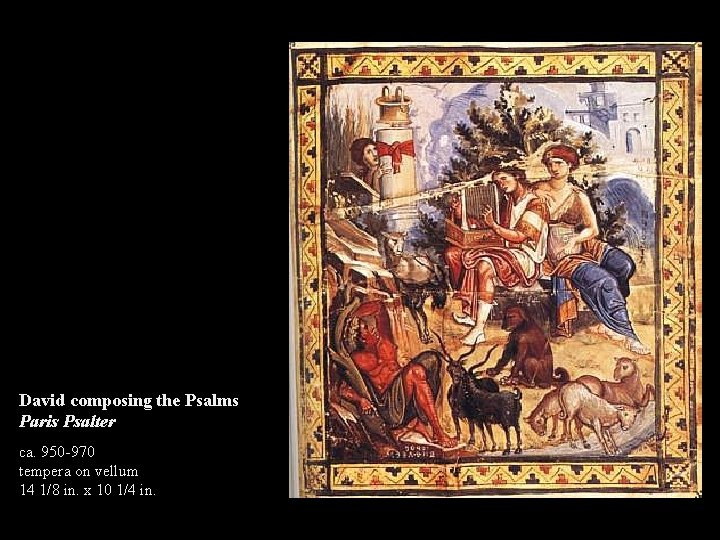
David composing the Psalms Paris Psalter ca. 950 -970 tempera on vellum 14 one/8 in. 10 10 1/four in.
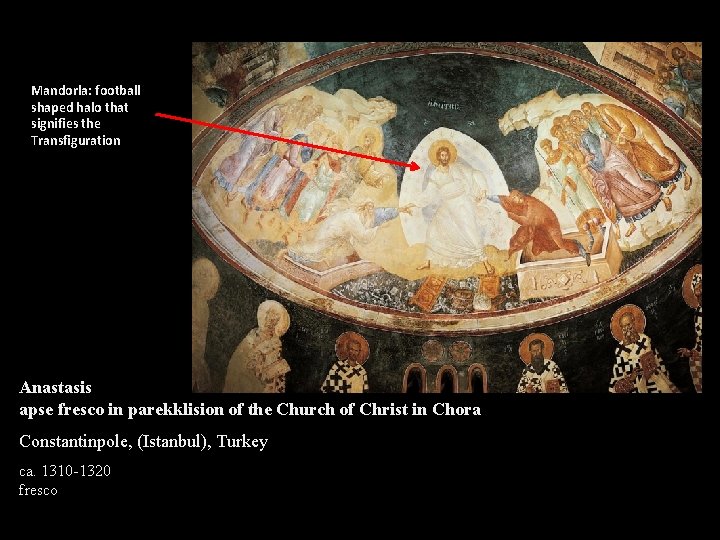
Mandorla: football shaped halo that signifies the Transfiguration Anastasis apse fresco in parekklision of the Church building of Christ in Chora Constantinpole, (Istanbul), Turkey ca. 1310 -1320 fresco
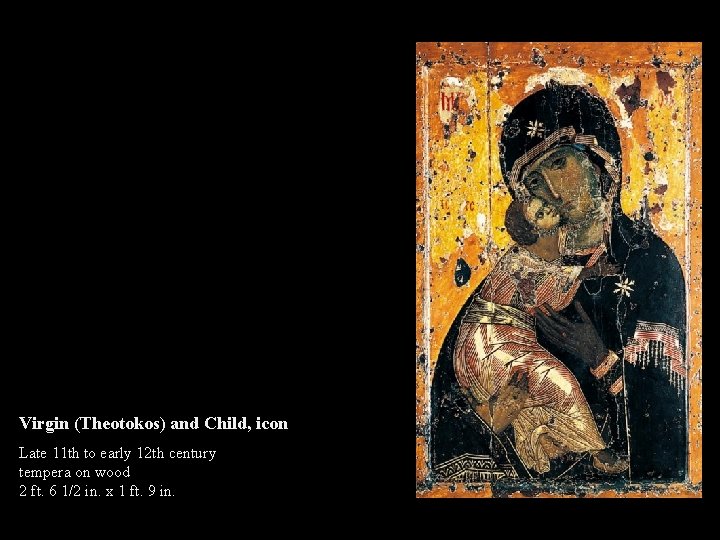
Virgin (Theotokos) and Child, icon Late 11 thursday to early 12 thursday century tempera on wood 2 ft. 6 one/2 in. x one ft. 9 in.
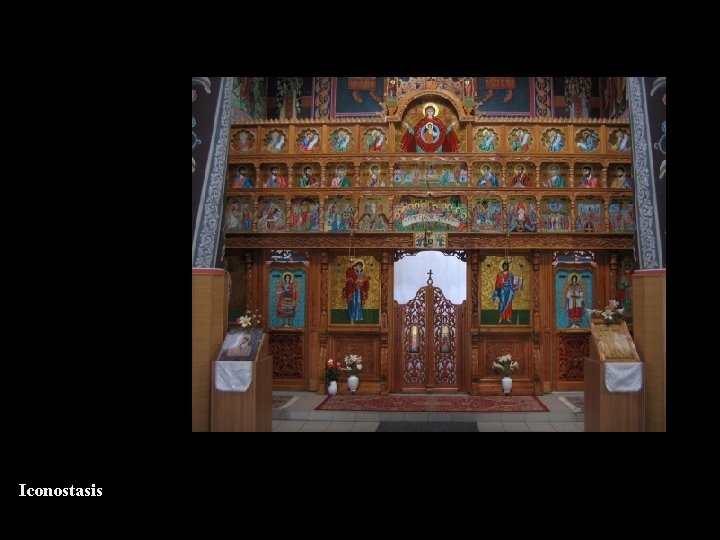
Iconostasis
Source: https://slidetodoc.com/byzantine-art-four-fs-and-a-g-the/
0 Response to "What Are the Three Fs That Describe the Depictions of Figures in Byzantine Art"
Post a Comment